

New to Polishing?
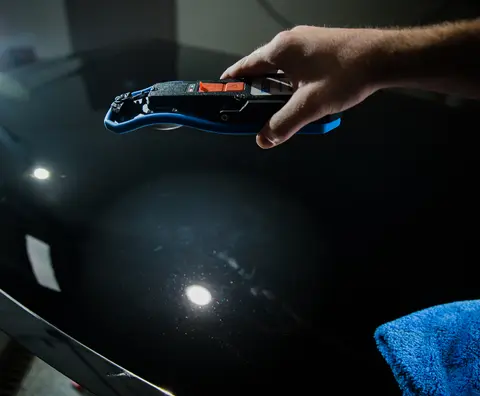
1. Inspect the Surface
Surface condition helps determine the products and techniques you'll need.
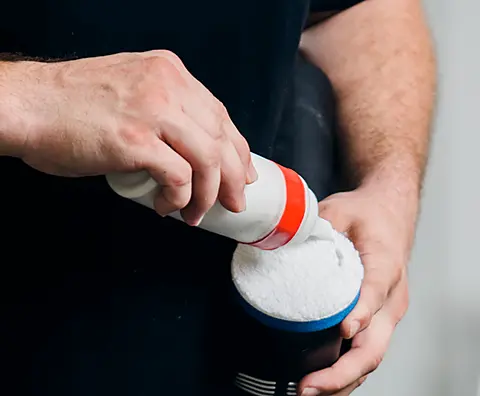
2. Choose the Right Products
The combination of machine, buffing pad and compound plays an important role in the final result.
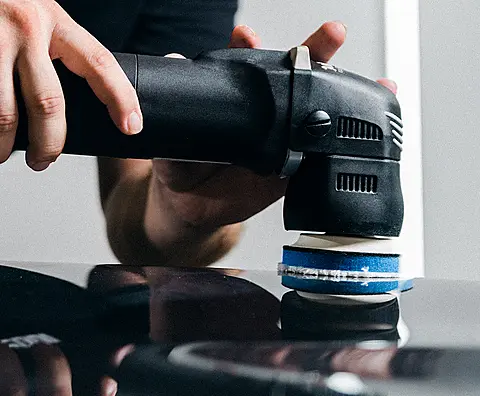
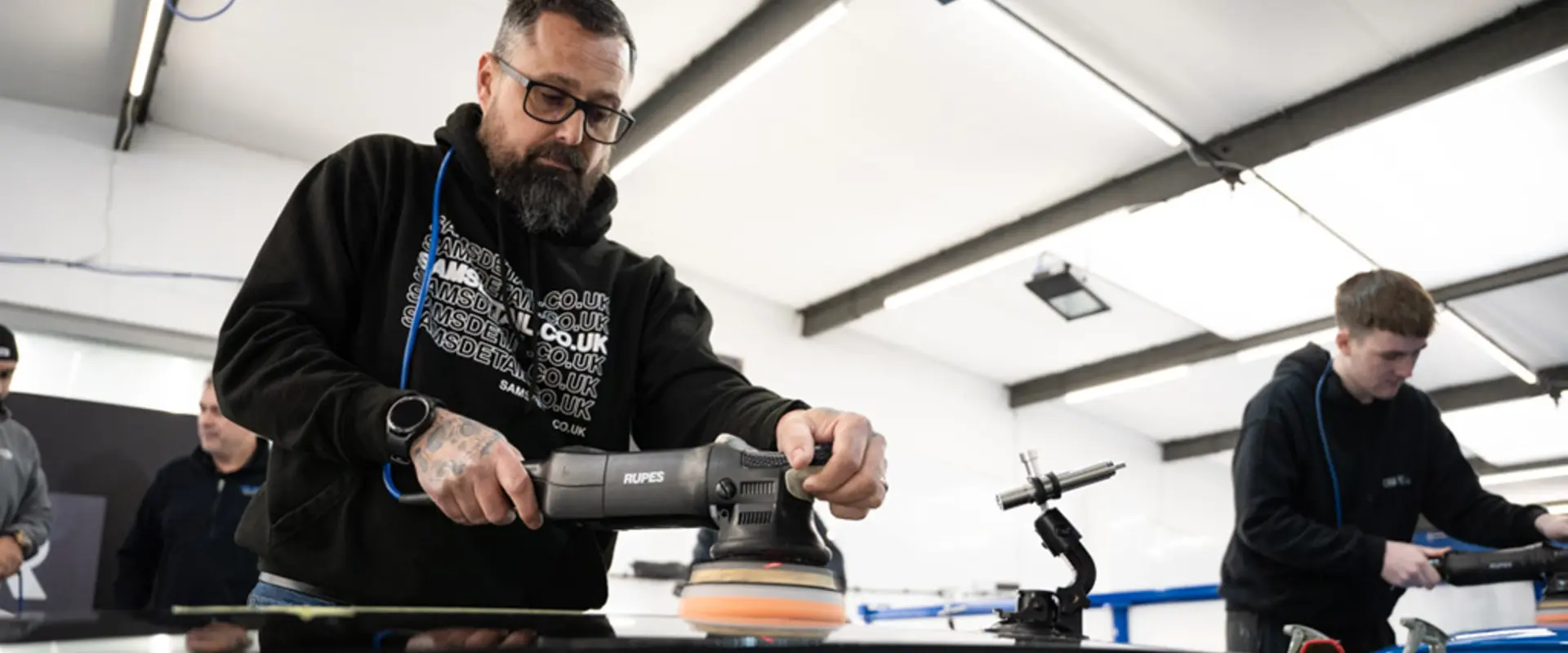
3. Work in Stages
Move in order from most to least aggressive: cutting → polishing → finishing → protecting
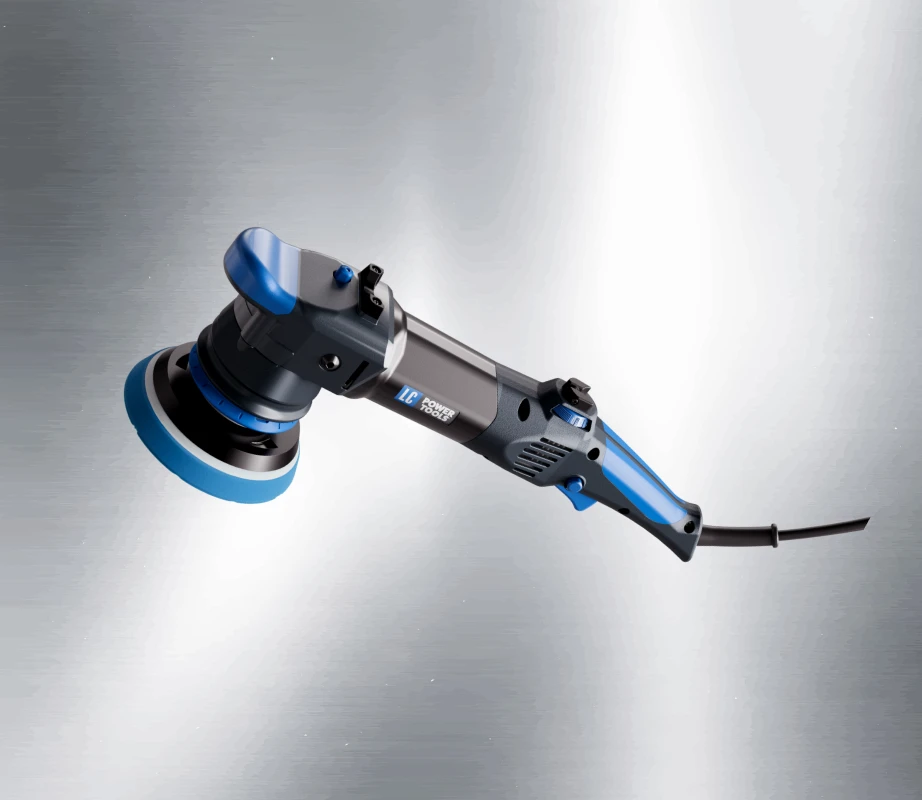
Polishing Machine
These tools are motorized machines that combine speed and friction to correct a finish. The different types of machines are grouped based on how they move. For example, there are:
- Rotary
- Random Orbital (Dual Action)
- Gear Driven (Forced Rotation)
Lake Country offers products for all types of polishing machines.
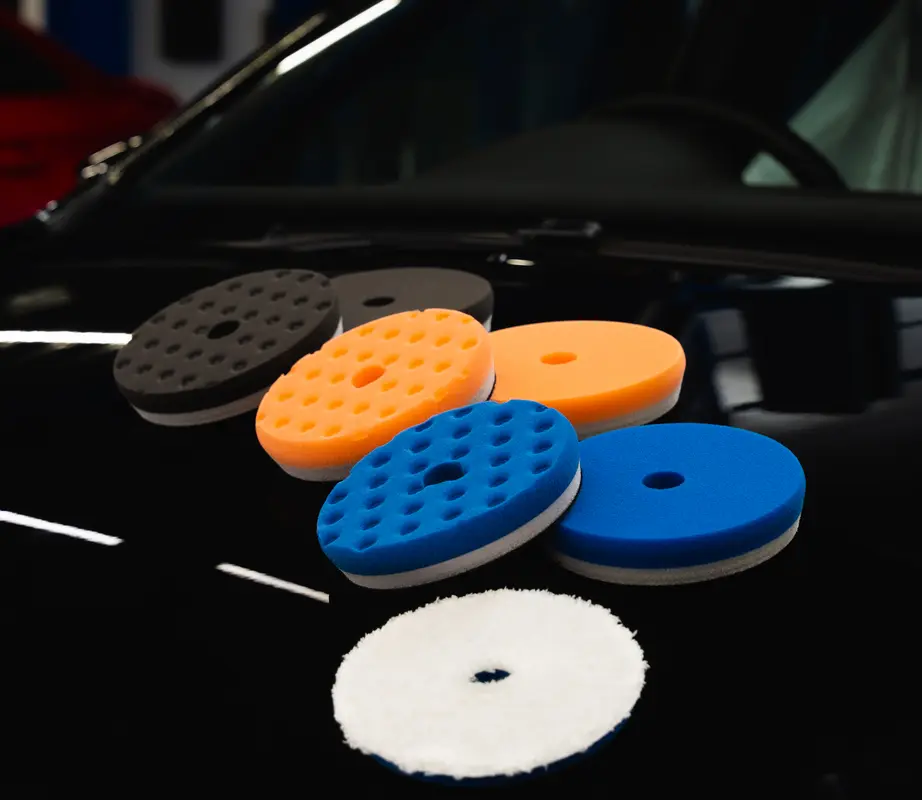
Buffing Pad
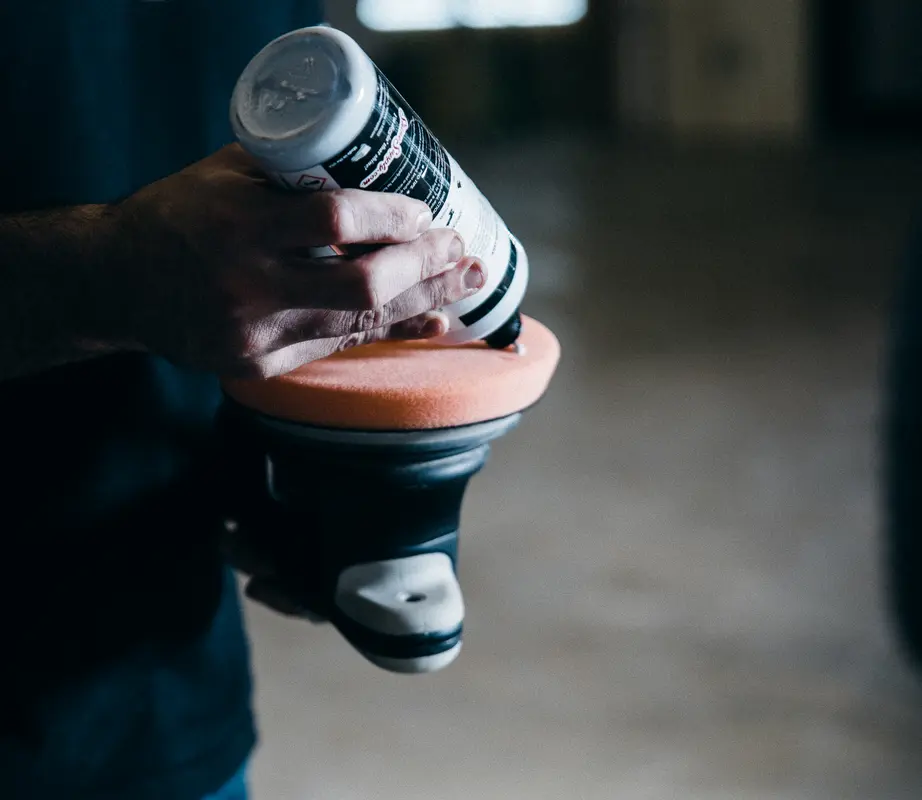
Compound or Polish
Different liquids can be paired with different buffing pads depending on your goal.
For example:
- Compounds remove heavier defects.
- Polishes refine the finish.
- Finishing polishes maximize gloss.
Match the compound to both the condition of the surface and the buffing pad you're using to maximize your results.
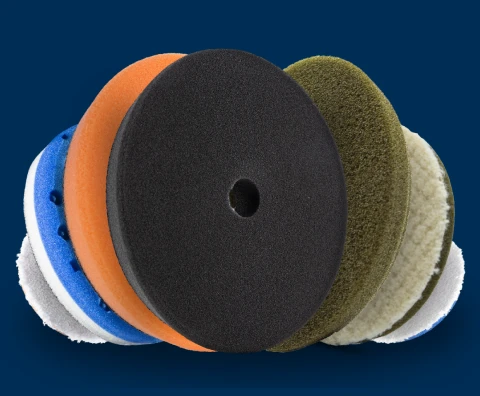
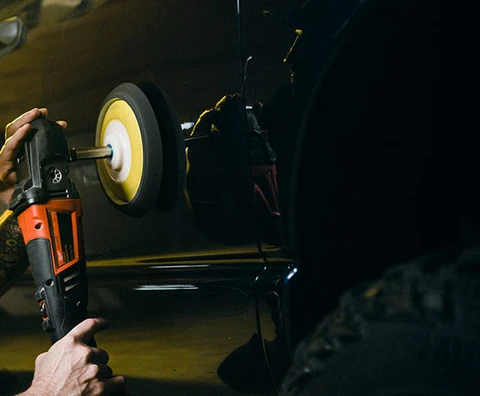
By Type
Foam, microfiber and wool
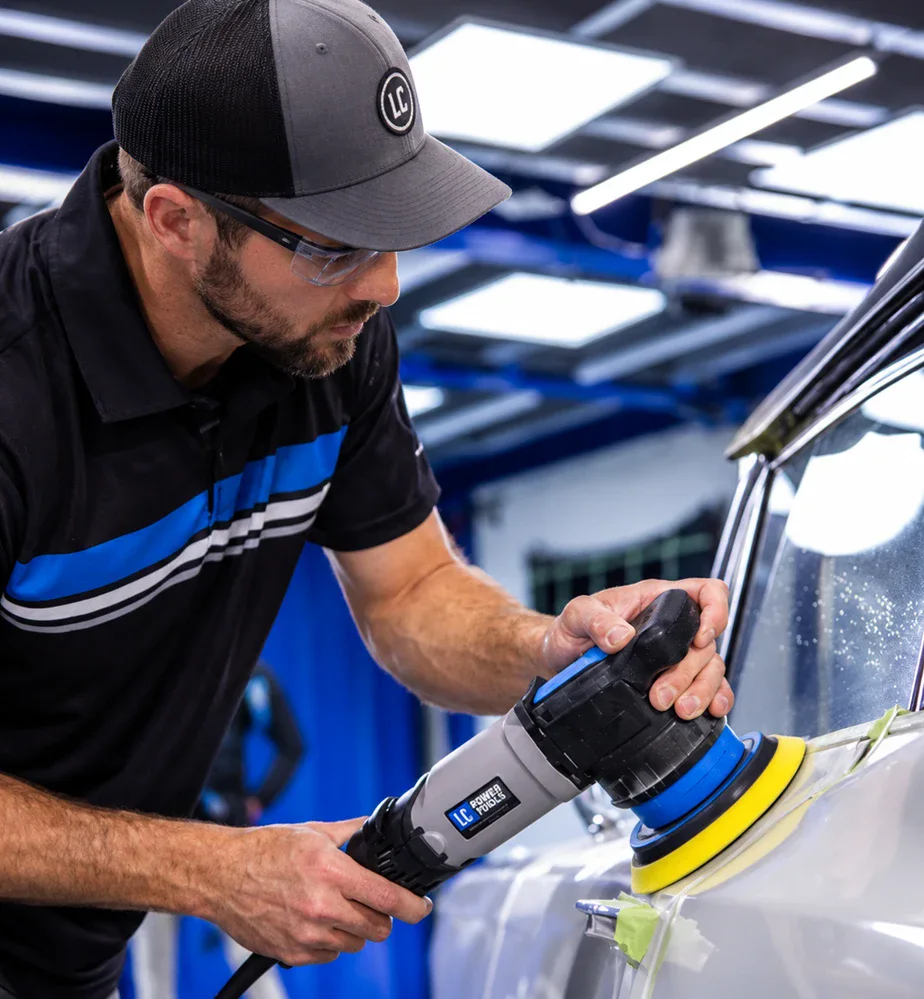
By Task
Cutting, polishing, finishing and cleaning
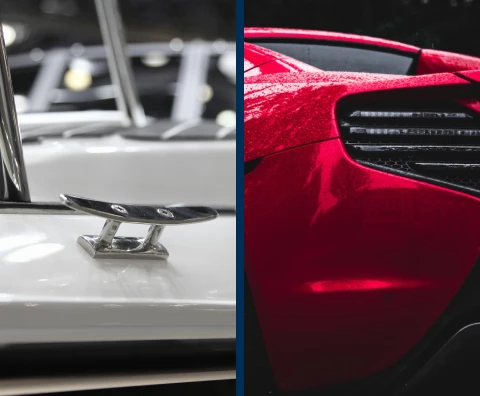
By Application
Automotive, marine, instruments & more
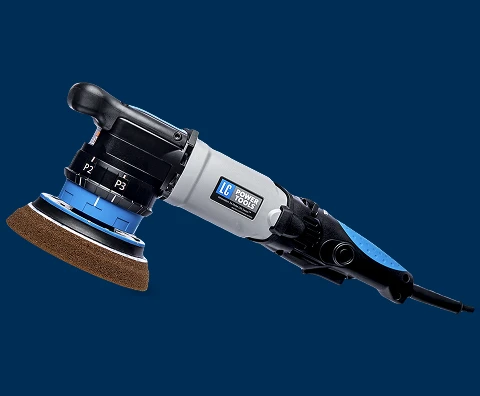
By Tool
Rotary, dual action and orbital polishers
Start Gently
Always begin with the mildest combination of pad and polish that could get the job done. You can always increase aggressiveness, but you can’t undo an overcorrection.
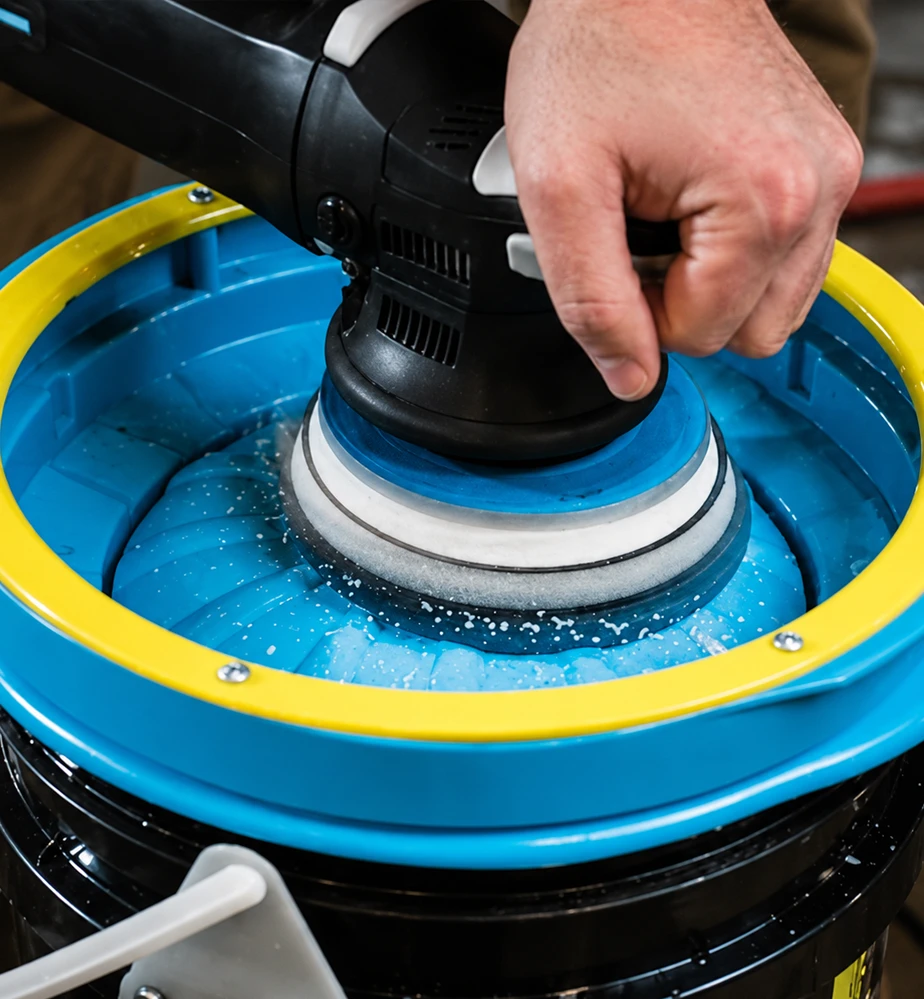
Keep Your Pads Clean
A clean pad performs better, produces a more consistent finish and lasts longer. Clean your pad regularly during use and after every project.
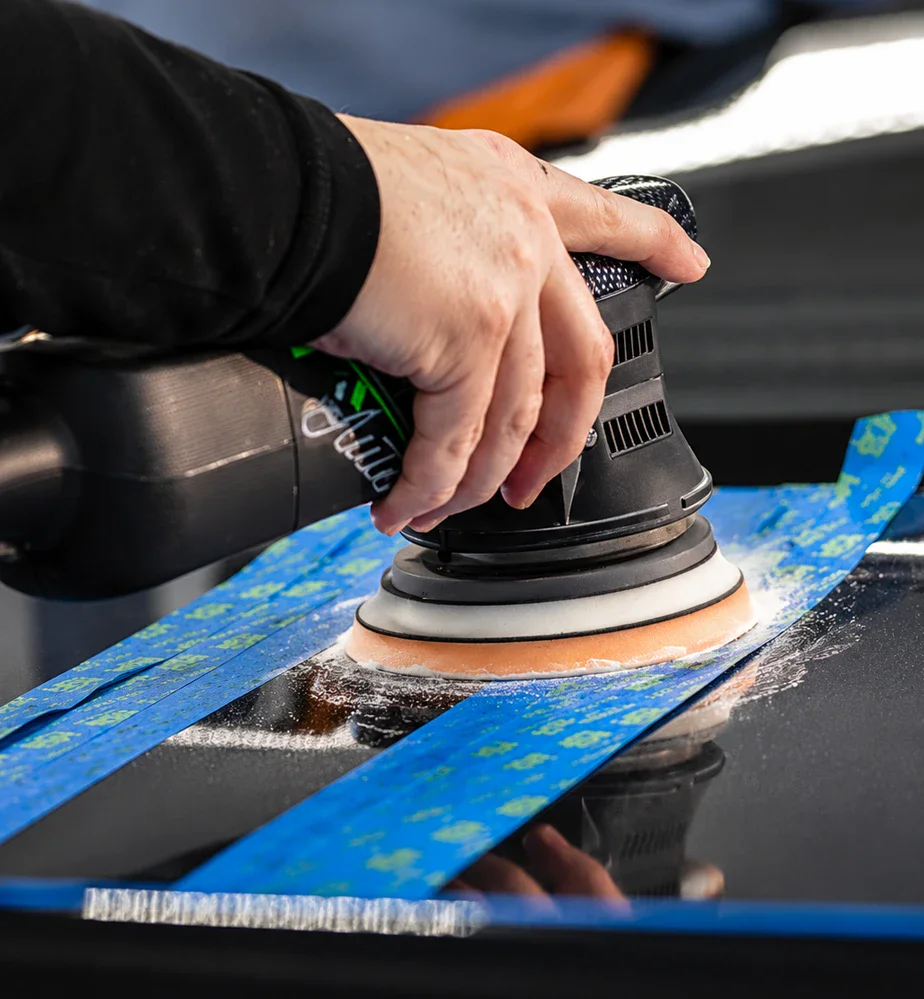
Work Small Sections
When you focus on a manageable area, you can monitor your progress more easily.
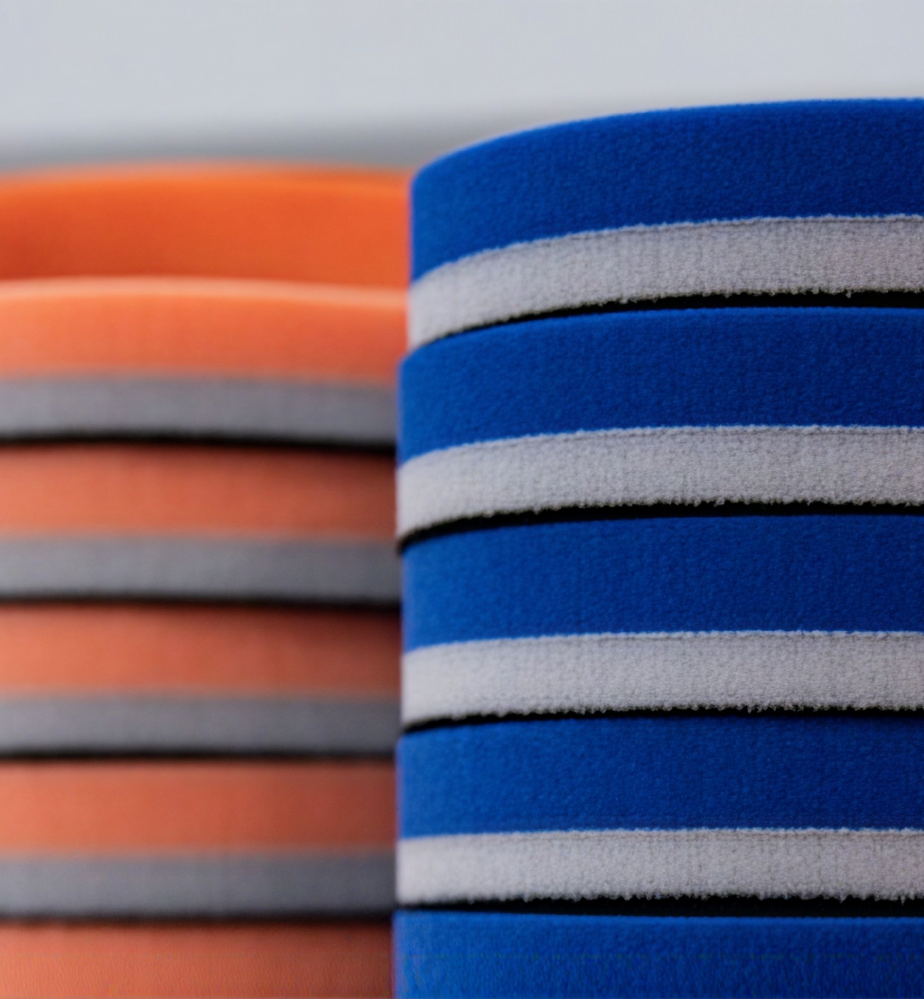
Let the Products Do the Work
Lake Country’s polishing systems are designed to perform efficiently with proper technique, not excessive force.
